
Eli-Flex: Conveyor Belt Repair and Rubber Track Maintenance
Damaged rubber can slow down an entire operation. A gouge in a conveyor belt cover or a damaged area on a rubber equipment track can create another maintenance job—and leave you deciding whether to repair or replace the component.
Eli-Flex provides a practical option for localized conveyor belt repair and rubber repair. Designed for industrial applications, it lets maintenance teams address suitable surface damage while keeping otherwise serviceable equipment in use.
Its applications extend beyond conveyor belts to rubber equipment tracks, linings, and other rubber components found throughout industrial operations.

Why Use Eli-Flex for Industrial Rubber Repair?
Industrial rubber needs to flex while handling contact, impact, and abrasive materials. A repair compound needs properties suited to that environment.
Eli-Flex combines flexibility with resistance to tearing, impact, and abrasion. Its twin-pack mixing system also makes it practical for on-site maintenance work. For suitable damage, those properties support a repair that can move with the surrounding rubber and withstand demanding service conditions.
The first step is assessing the damage. A localized surface repair and a failed structural component require different solutions.
Conveyor Belt Cover Repair: Address Localized Damage
The conveyor belt cover takes repeated contact from conveyed material. Over time, cuts, gouges, and worn patches can leave an uneven surface that deserves attention during maintenance inspections.
Eli-Flex can fill suitable damaged areas and restore the profile of the rubber cover. Applications include localized gouges, worn patches, and edge damage. The goal is to repair the affected rubber while making continued use of the serviceable belt.
For example, a belt with an isolated cover gouge may be a candidate for repair after inspection confirms the condition of the underlying belt. Damage involving the carcass, reinforcing cords, or splice needs a broader assessment before selecting a repair method.
Shop Eli-Flex conveyor belt and rubber repair resin to find a kit for your next maintenance project.
Rubber Equipment Track Repair: Another Important Eli-Flex Application
Rubber equipment tracks deserve the same attention as conveyor belt covers. During inspections, maintenance teams may find localized cuts, gouges, or missing surface rubber that warrant closer evaluation.
Eli-Flex is also suitable for rubber equipment track repair, making it a useful option to consider when damage is confined to a repairable rubber area. Its flexibility and resistance to abrasion and tearing are relevant properties for components that bend and encounter rough working conditions.
For a suitable repair, Eli-Flex can be applied to the prepared area and shaped to follow the surrounding surface. That gives maintenance teams a way to address localized rubber loss before deciding that the entire track needs replacement.
Track condition remains the deciding factor. Exposed or broken reinforcement, extensive separation, damaged drive components, or major tread loss call for assessment by the equipment manufacturer or a qualified track specialist. Filling a damaged area does not rebuild the track’s internal reinforcement.
Including rubber tracks in routine maintenance inspections helps teams identify repair candidates and plan the work around equipment availability.
Surface Preparation Helps Make the Repair Effective
A successful rubber repair starts before the resin is mixed. Loose rubber, contamination, and moisture can interfere with the repair surface.
The Eli-Flex application guide outlines a straightforward process:
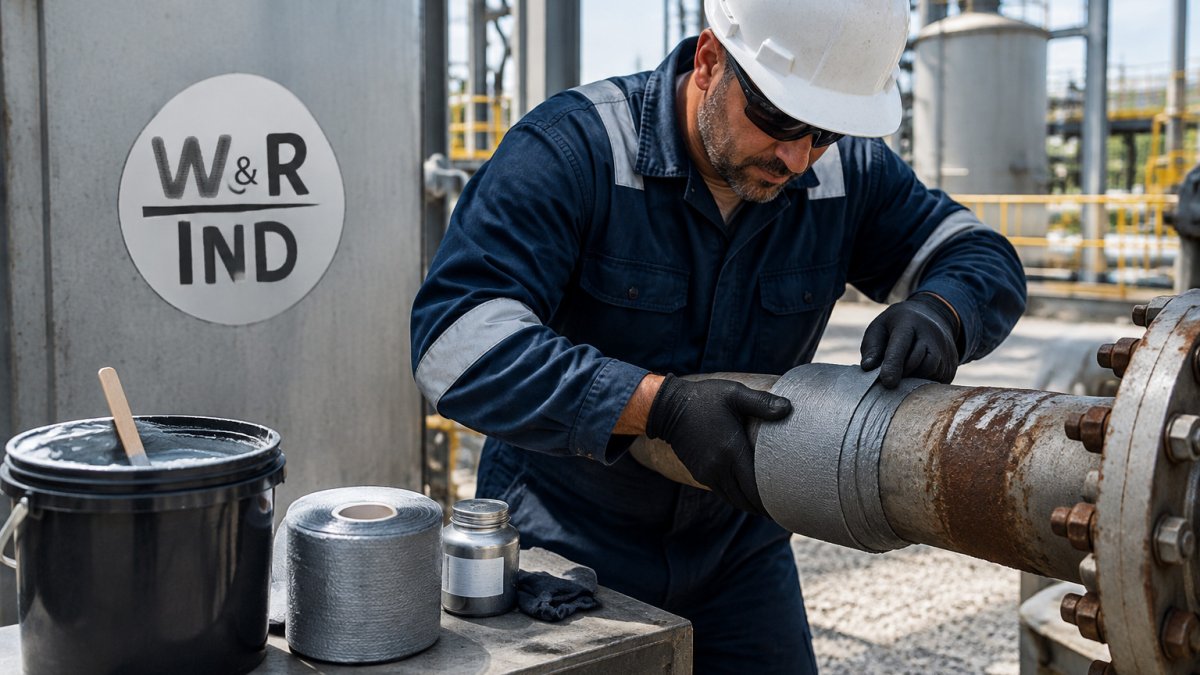
Prepare the area. Remove loose rubber and roughen the surface as directed.
Clear away contamination. Leave the repair area free of dust, oil, grease, and moisture.
Mix the twin-pack. Follow the instructions supplied with your product.
Apply and shape the resin. Work it into the prepared surface and finish with a suitable spatula.
Allow the specified cure. Follow the product guidance before returning equipment to service.
Plan the repair around the product’s working and curing requirements. Follow site isolation procedures and the applicable safety instructions throughout the job.
Make Rubber Repair Part of Your Maintenance Routine
Keeping repair materials available can make it easier to act when an inspection reveals suitable damage. A useful maintenance routine includes documenting the area, assessing its depth and extent, and checking completed repairs during later inspections.
Also investigate what caused the damage. Repeated damage in the same location may point to an operating or equipment issue that needs attention alongside the rubber repair.
Eli-Flex can support maintenance across several rubber components, including chute linings, rubber or polyurethane screen decks, and rubber moldings, subject to application suitability.
Choose Eli-Flex for Your Next Rubber Repair Project
Conveyor belt covers and rubber equipment tracks both benefit from regular inspection and timely attention to suitable surface damage.
Eli-Flex gives maintenance teams a flexible repair option for these applications. Assess the component, prepare the surface carefully, and follow the application instructions to get the most from the repair.
Purchase Eli-Flex from Wear & Repair Industrial and prepare for your next conveyor belt repair or industrial rubber repair project.

Comments