
Fast Shipping for Industrial Repair Products: What to Check
Quick Summary
Fast shipping only helps if the repair arrives before production stops, so check the delivery date in writing, not just a shipping speed. Confirm the order cutoff in your time zone, carrier scan time, and whether hazardous or oversized items follow a slower schedule.
Ask for a delivery date and time window in writing, not just a shipping speed.
Confirm the order cutoff in your own time zone, not only the supplier's.
Require a carrier scan the same day, since a label alone is not dispatch.
Check hazardous and oversized items, which often ship on slower schedules.
Test a low-cost stocked item first to time each shipping clock.
Fast Shipping for Industrial Repair Products: What to Check
Last Updated: November 24, 2026
Why Fast Shipping Matters When Equipment Is Down
Fast shipping is only useful if it arrives before your line stops. A leak, a torn belt or a cracked fitting can shut down production, and the clock starts. Every hour of downtime costs more than the repair part itself.
The U.S. maintenance, repair, and operations (MRO) market is estimated at USD 94.72 billion in 2026, according to Mordor Intelligence U.S. MRO market report. That spending reflects how much plants depend on steady access to repair supplies.
Speed matters, but speed alone is not the goal. What you want is a repair that holds, delivered when you need it. Those are two separate checks, and most buyers only make one of them.
Choosing the Right Industrial MRO Supplies for the Job
Start with the failure, not the catalog. A pressurized pipe leak, a rubber belt tear and a worn steel surface each call for a different product. Matching the product to the failure prevents the most common repeat repairs.
Write down four things before you order:
The material being repaired (steel, rubber, PVC, aluminum)
Whether the surface is wet, oily or pressurized
The operating temperature and chemical exposure
How long the repair must hold before a permanent fix
Industrial Repair Resins: Matching the Resin to the Surface
Resins bond well only when the surface is clean, dry and roughened. Skip any of those steps and even a premium resin will peel. Read the surface-prep instructions before you open the package. You can browse the full Eli-Flex rubber repair range to find the resin that fits your surface.
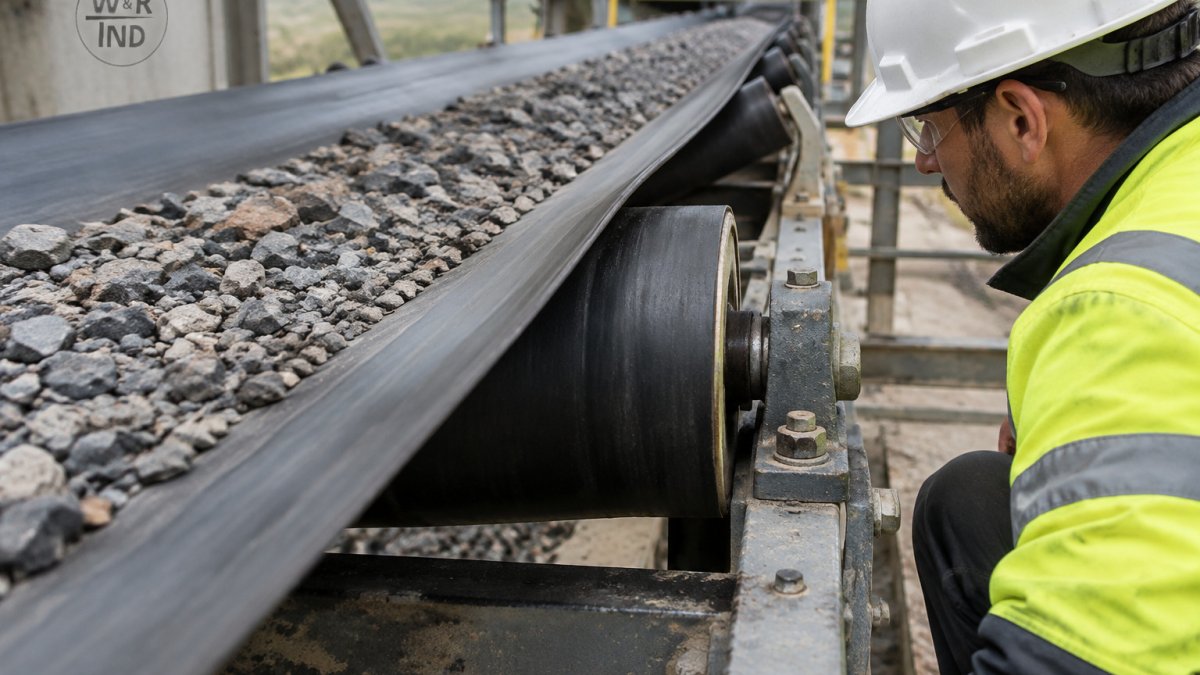
Rubber and conveyor belt repairs need a resin built for flexing. A rigid resin on a belt that bends over pulleys will crack at the edge of the patch within a few shifts. For conveyor belt and rubber repairs, Eli-Flex offers quick, cost-effective resin options for holes and tears.
If you have a question about a specific surface, ask the supplier which material the resin was tested on. Do not assume a product that bonds to steel will bond to aluminum.
Pipe Repair Bandages for Pressurized Leaks
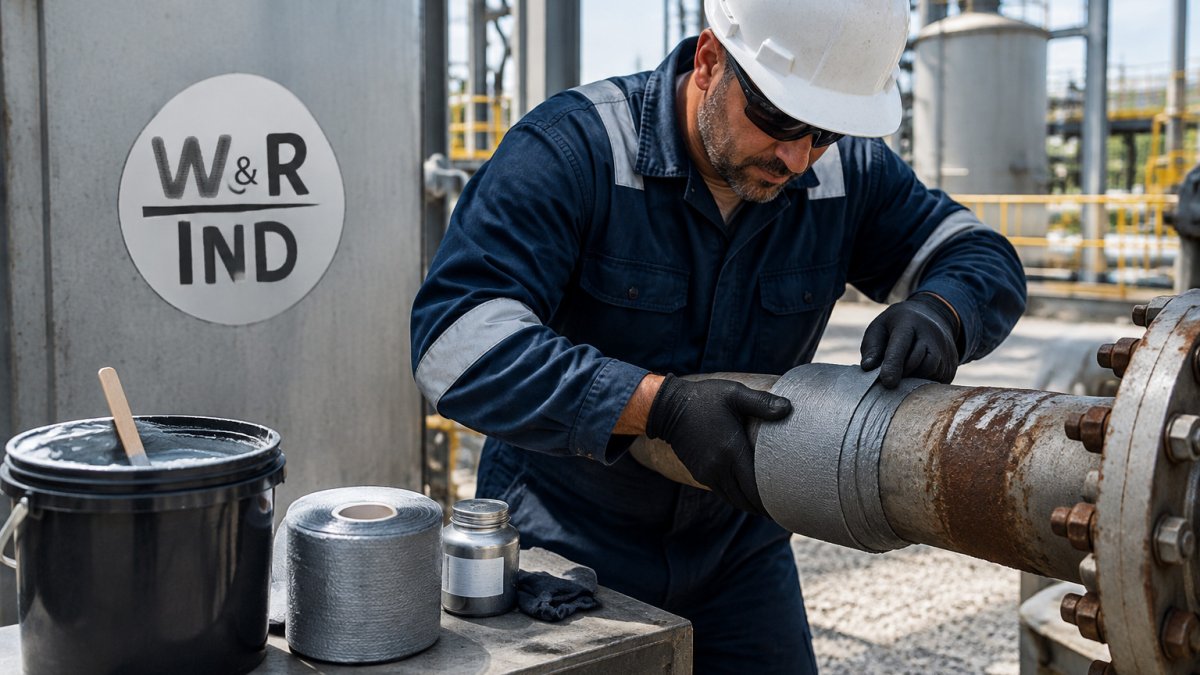
Pipe repair bandages are designed to stop leaks quickly, often while the line stays under pressure. Check the product's pressure and temperature ratings against your system before you apply one.
The bandage must match the fluid. Chemical, steam and water lines each have different demands, and a bandage rated for water may fail on steam. Confirm the rating before you order, not after the leak returns. Eli-Wrap is a pipe repair bandage suitable for chemical, steam and water pipes, so you can check its specific details.
Plan a follow-up. Treat the wrap as a bridge to a scheduled permanent repair, and log the location so the crew returns to it.
Verifying Same-Day Shipping Promises Before You Order
"Same-day shipping" can mean different things. It can mean the order leaves the dock that day, it can mean the order is merely processed that day, or it can mean the supplier drops it with a carrier who then takes several business days. Before you stake a shutdown on a promise, separate the order into four clocks and confirm each one.

Clock 1: Order cutoff. This is the local time by which an order must be released to hit the day's outbound shipment. Cutoffs are usually set in the supplier's warehouse time zone, not yours. A cutoff set in the supplier's time zone can fall earlier than expected for buyers in other time zones. Ask for the cutoff in your time zone and confirm whether it applies to the item you are buying or only to stocked, non-freight items.
Clock 2: Dispatch time. This is when the package physically leaves the building and receives a carrier scan. A label printed at 4:00 p.m. is not a dispatch. Ask the supplier to confirm the package will be scanned by the carrier the same day, and request the tracking number by a specific hour. A tracking number that shows only "label created" overnight is a red flag.
Clock 3: Carrier transit time. This is the service level, ground, two-day air, overnight, and it starts when the carrier takes possession, not when you click buy. A Friday afternoon dispatch with a Monday overnight service can still land Tuesday if the carrier does not move freight on Sunday. Confirm which service level is included in the quoted price and which is an upgrade.
Clock 4: Delivery date. This is the only clock that matters to your maintenance crew. Ask the supplier to state a delivery date and time window in writing, not a shipping speed. "Ships today" and "arrives tomorrow by 10:30 a.m." are different commitments, and only the second one lets you schedule a repair crew.
A practical audit before your first urgent order:
Place a small test order of a low-cost stocked item and time each clock from confirmation to delivery scan.
Ask the supplier which items are stocked in the warehouse that serves your region versus drop-shipped from a manufacturer.
Confirm whether the cutoff applies to hazardous, oversized, or special-order items, which often ship on a separate schedule.
Ask what happens if the carrier misses the service guarantee, who files the claim, and whether the supplier will re-ship or credit.
Before you rely on a same-day promise, the article breaks an order into four clocks that each need confirming.
Clock | What to confirm | Red flag |
Order cutoff | Cutoff in your own time zone | Cutoff set only in supplier's time zone |
Dispatch time | Carrier scan the same day | Tracking shows only "label created" |
Carrier transit time | Service level included in price | Friday dispatch with Monday service |
Delivery date | Date and time window in writing | Only a shipping speed is given |
Shipping Restrictions That Can Delay Repair Products
Fast shipping is not one service level, it is a set of options that change with what you are buying and where it is going. Treating every repair product as if it ships the same way is how buyers get surprised on the day of a failure. The table below is the practical breakdown most suppliers do not put on their website. Before you order, you can check the refund policy for returns and the conditions that apply.
Stocked, small-parcel parts. Fasteners, fittings, repair resins in small containers, bandages, and hand tools are the easiest category. If the item is stocked in a warehouse serving your region, same-day dispatch and overnight or two-day air are usually available, and ground is the default. The main variable is the cutoff time, not the product.
Oversized and freight-class items. Pipe sections, large repair kits, drums of coating, and anything past a carrier's parcel size or weight limit moves on an LTL freight schedule. Freight rarely offers a true overnight option; two-day and appointment-based delivery are more common, and liftgate or inside-delivery service must be requested and priced separately. A fast parcel promise does not apply to a freight-class item, even from the same supplier.
Hazardous materials. Products classed as hazardous, certain solvents, adhesives, aerosols, and some resins, face packaging, labeling, and carrier rules. The Federal Aviation Administration requires shippers to meet the Hazardous Materials Regulations before offering dangerous goods to an air carrier, as described in FAA guidance on shipping dangerous goods. In practice, that can rule out air service for some items, force ground-only routing, or require the shipment to originate from a hazmat-approved warehouse. Budget extra days and confirm the item's hazard class before you promise a repair date.
Remote and residential destinations. Commercial addresses with a loading dock and a receiving clerk are the fastest to serve. Residential addresses, jobsites without a dock, and remote locations can add a day or more and may trigger residential or limited-access surcharges. If your crew is meeting a delivery at a jobsite, confirm the address type and whether the carrier will call ahead.
International and cross-border orders. Parts sourced from outside the country face customs clearance, which can add days that no expedited service can recover. For critical spares, favor a supplier with domestic stock.
A simple way to use this: before you order, classify the item into one of these categories, then ask the supplier for the fastest service that category actually supports, not the fastest service they advertise.
Building a Downtime Plan Around Your Next Order
Do not wait for a failure to find your supplier. Keep a short list of approved repair products on hand, and note which items need overnight delivery and which can wait a week.
Set a reorder point for the items that stop a line when they run out. A repair kit on the shelf is worth more than a fast courier on the day you need it.
Finally, review each emergency. Note what failed, how long the repair took and whether the shipping promise held. That record will show where your process needs work long before the next leak.
Frequently Asked Questions
Where can I find industrial products online?
Start with suppliers that publish stock status, cutoff times and carrier options on each product page, not only on a general shipping banner. Industrial MRO supplies are usually listed by category, so search by the failure you need to fix, such as a pipe leak or a worn conveyor surface, rather than by brand. Compare in-stock quantities, the order cutoff for same-day dispatch, and whether the seller ships from a U.S. warehouse. Confirm the final delivery window at checkout, since pricing depends on quantity, delivery speed and destination. For current prices and availability, check the Wear and Repair Industrial website or request a quote.
What should I check before ordering industrial repair products for fast delivery?
Confirm the exact product part or kit, its stock status, and the order cutoff time for same-day dispatch. Verify the delivery address type, because remote or oversized shipments can take longer. Finally, ask what the seller does if the item arrives damaged or the wrong product is sent, so a delay does not become a second delay.
Which industrial repair products are useful for emergency maintenance?
Products that can be applied without specialized training are useful in emergencies. Pipe repair bandages suit pressurized leaks where the line cannot be drained right away, and repair resins can rebuild worn or cracked surfaces on equipment such as conveyor belts. Keep a small stock of these on hand so a repair can start before a shipment arrives. Check the product's temperature and pressure ratings against your system before application, and follow the manufacturer's cure time.
How do I choose a repair resin for an industrial application?
Match the resin to the material you are repairing, the load it will carry, and the environment it will face. Check whether the resin bonds to metal, rubber or concrete, and confirm its temperature and chemical resistance against the fluids in your plant. Compare cure time with your available downtime, since a fast-setting resin may suit a short window better than a stronger but slower one. If the product will be used on aluminum, verify compatibility on the product data sheet before ordering, because not every metal repair epoxy bonds equally well to aluminum.
Comments